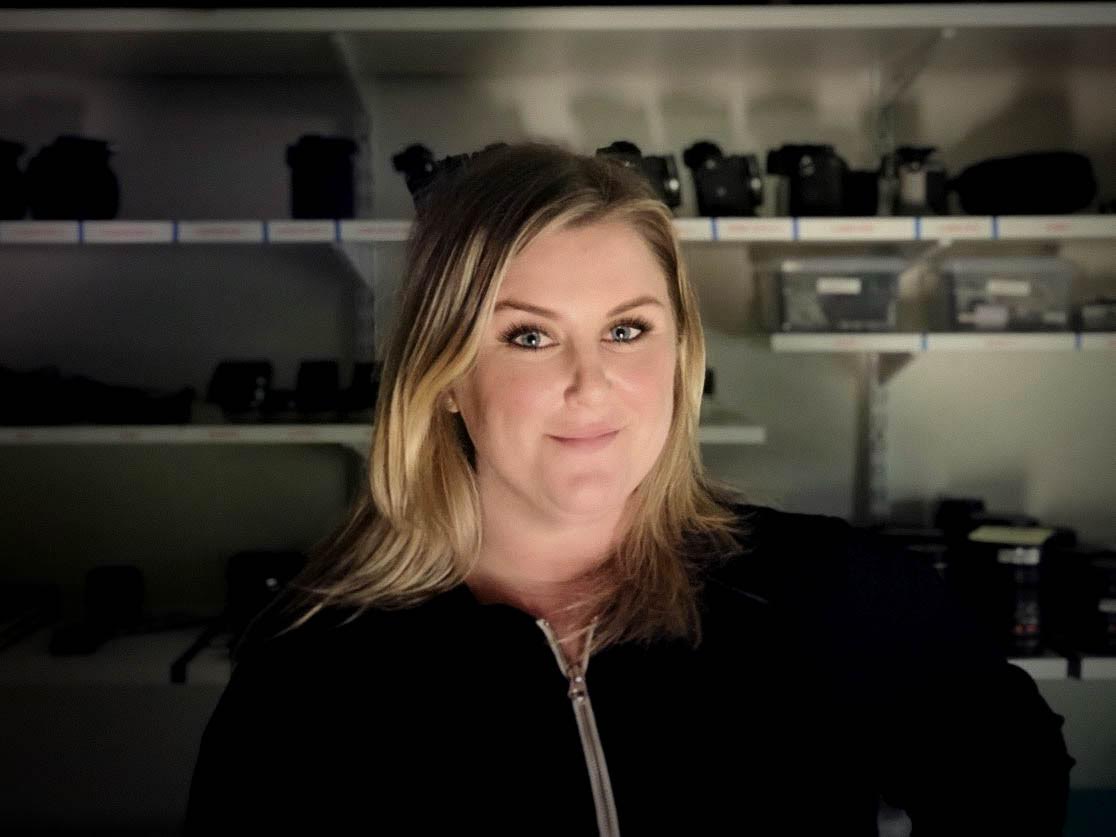
BIKFF Featured Filmmaker: Julian Nowik
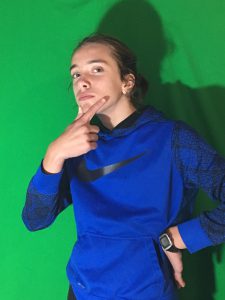
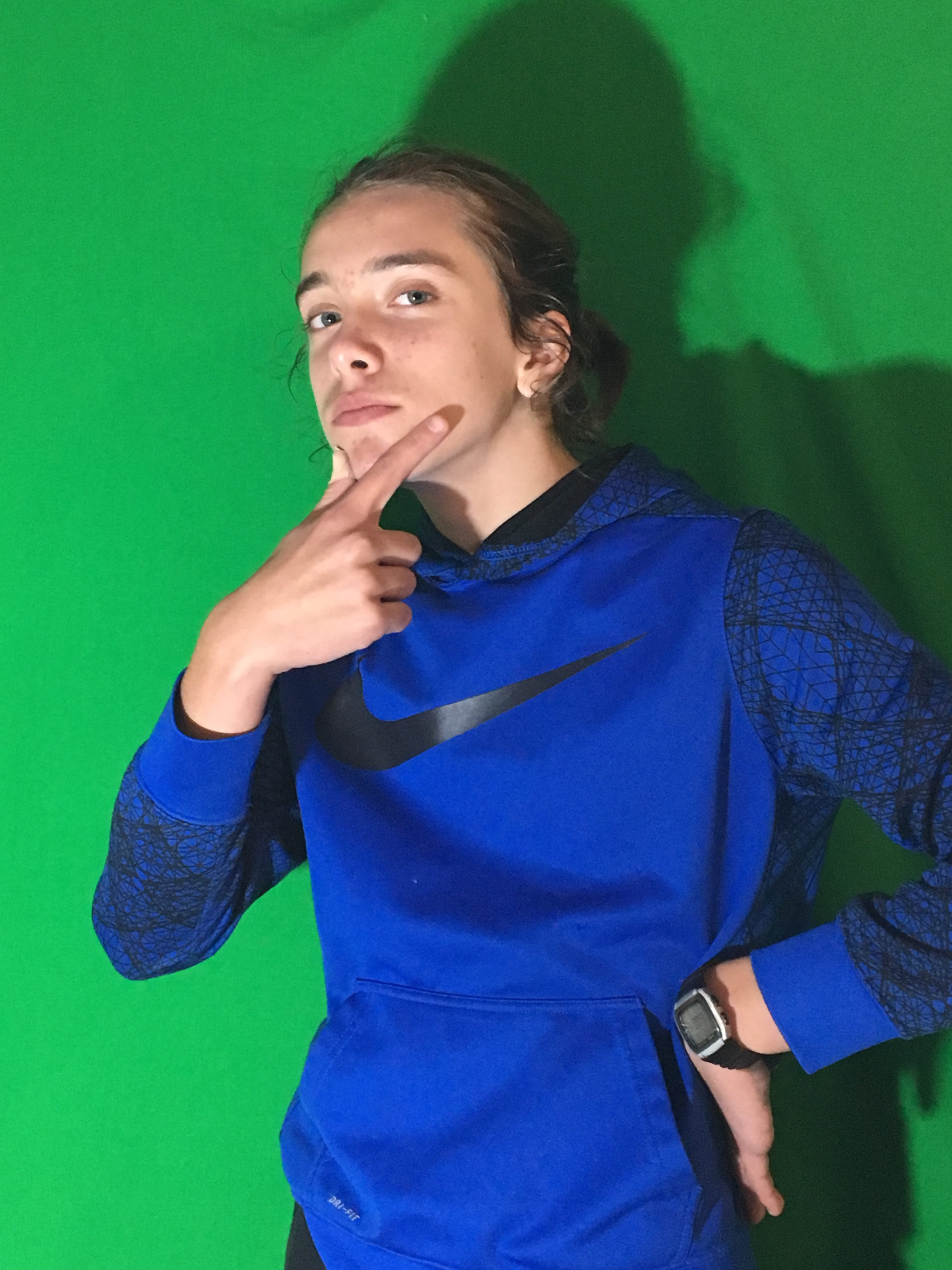
One of the highlights of every year’s BIKFF is presenting to the world the imaginative works of so many young filmmakers. We recently chatted with one, Julian Nowik, of Melrose, Massachusetts about how he became interested in filmmaking and how his new-found passion for film and filmmaking has developed.
 How did you first become interested in filmmaking and what was the inspiration for the film that’s going to be shown at BIKFF 2017?
Television and movies have always been a part of my life, am I’m thankful for this but I never thought of filmmaking as a career or even a hobby until I went with the Boy Scouts to a Legos stop motion animation film festival, in third grade. Seeing what kids in third grade could accomplish with a camera and some Legos inspired me to make my own creations. Lemme tell you, stop motion isn’t the easiest way to get into filmmaking. I discovered this rather quickly and moved on to making live action films with my friends and camera. I’m now a ninth grader at Melrose High School and I don’t plan on stopping soon.
Can you tell us a bit about your experience at one of BIKFF’s filmmaking workshops?
About a year ago I went to the BIKFF GoPro information class and while I learned many things, I believe my two years (so far) at the BIKFF summer camp show much more purpose in my skillset. During both years I had incredibly helpful instructors who guided me through a week of non-stop, hands-on filming. I believe both films I made at the camps really taught me a lot and I am excited to go back next year and learn even more!
What do you like most about visual storytelling and do you have ideas for more films? If so, what are they?
Visual storytelling is the best form of entertainment to create. I am currently working on a film called Choosing Life, which is a sequel to my previous film, Chosen Moon (which is on Youtube channel JulianTheGorilla). The whole process is always rewarding; from the script development to shooting with friends, to editing. After a movie is complete my friends and I are rewarded with a five minute experience that we can have for our entire lives to look on and be proud of. Entering a film in a festival like BIKFF or uploading it to sites like YouTube changes everything. It lets the filmmaker get that sensation of satisfaction because people are seeing your ideas come to life. The best part about visual storytelling and BIKFF is knowing that people care about your films and receiving support that is hard to receive elsewhere. The hardest part of being a filmmaker is thinking that no one can see your creation and that no one cares; this can be discouraging, but BIKFF really inspires me to keep going, to keep improving so that one day I could have a film that people really love and want to see more. That is the true goal of a filmmaker.
BIKFF Featured Filmmakers: RAW Art Works
In the lead up to this year’s BIKFF, we’ll be talking with some of the very talented filmmakers whose work will be featured at this year’s festival. First up, we chatted with Rachel St. Pierre of RAW Art Works of Lynn, Massachusetts. Rachel is a teaching artist and filmmaker who has been teaching film at RAW’s Real to Reel Filmschool since 2014.
Photo Cred: Daymian Mejia
In 2008, she received a BFA in Film and Television from Savannah College of Art and Design, and in 2016, she received a Master’s in Education from Lesley University. While attending Savannah College, Rachel’s concentration was production. She prides herself on her creativity and the critical thinking skills necessary for film production. Her skills include big picture planning, casting, cinematography, budgeting, and distribution. In addition to teaching three high school and middle groups with R2R, she oversees all national and international film festival submissions and acceptances. Her goal is to have RAW’s films seen and heard on all seven continents.
Rachel shared some thoughts with us:
What Raw Art Works is all about?
Raw Art Works is a non-profit working to ignite the desire to create and the confidence to succeed in underserved youth. RAW has been honored by Adobe as one of seven exemplary youth organizations globally that supports young people’s creative development and engages creativity as a force for positive youth development and social change.
How did you come to know about BIKFF?
We came to know BIKFF through our partnership with Filmmakers Collaborative and have had previous films accepted into their festival.
What Raw Art Works film(s) are being shown at the festival? What was the inspiration?
Raw Art Works is fortunate to have three films playing in the BIKFF this year: “Dreams of Cambodia,” by Cynthera Tham, “Manos Abierta En Esta Tierra,” by Marylys Merida and “Dona Catalina,” by: Adriana Marquez. Real to Reel facilitated a once-in-a-lifetime opportunity by traveling with our students to their family’s country of origin and documenting their experience every step of the way. In each country (Cambodia, Dominican Republic, Guatemala and Nicaragua), students captured footage for their own personal films, portraits of place, and virtual reality footage.
How were the kids instructed in film making and visual storytelling?
As one of Adobe’s “Creative Catalysts,” RAW received an Innovation Grant to enable RAW’s Real to Reel Filmschool, RAW alums, and current RAW youth to develop a series of productions and films focused on telling uniquely American stories about immigration, home, and belonging.
Can you say a bit about the variety of students involved in the project?
Long recognized as an immigrant gateway city, Lynn is home to a surging population of immigrant youth. Last year more than half of the youth served by RAW came from immigrant families. With decades of experience serving the Lynn community, RAW engages with the cultural and financial struggles experienced by these families, and exemplifies this by the art created in RAW’s studios.
East of Salinas: Continuing to Tell an Important Story
Filmmaker, and trained anthropologist, Laura Pacheco has traveled the world to tell the stories of people overcom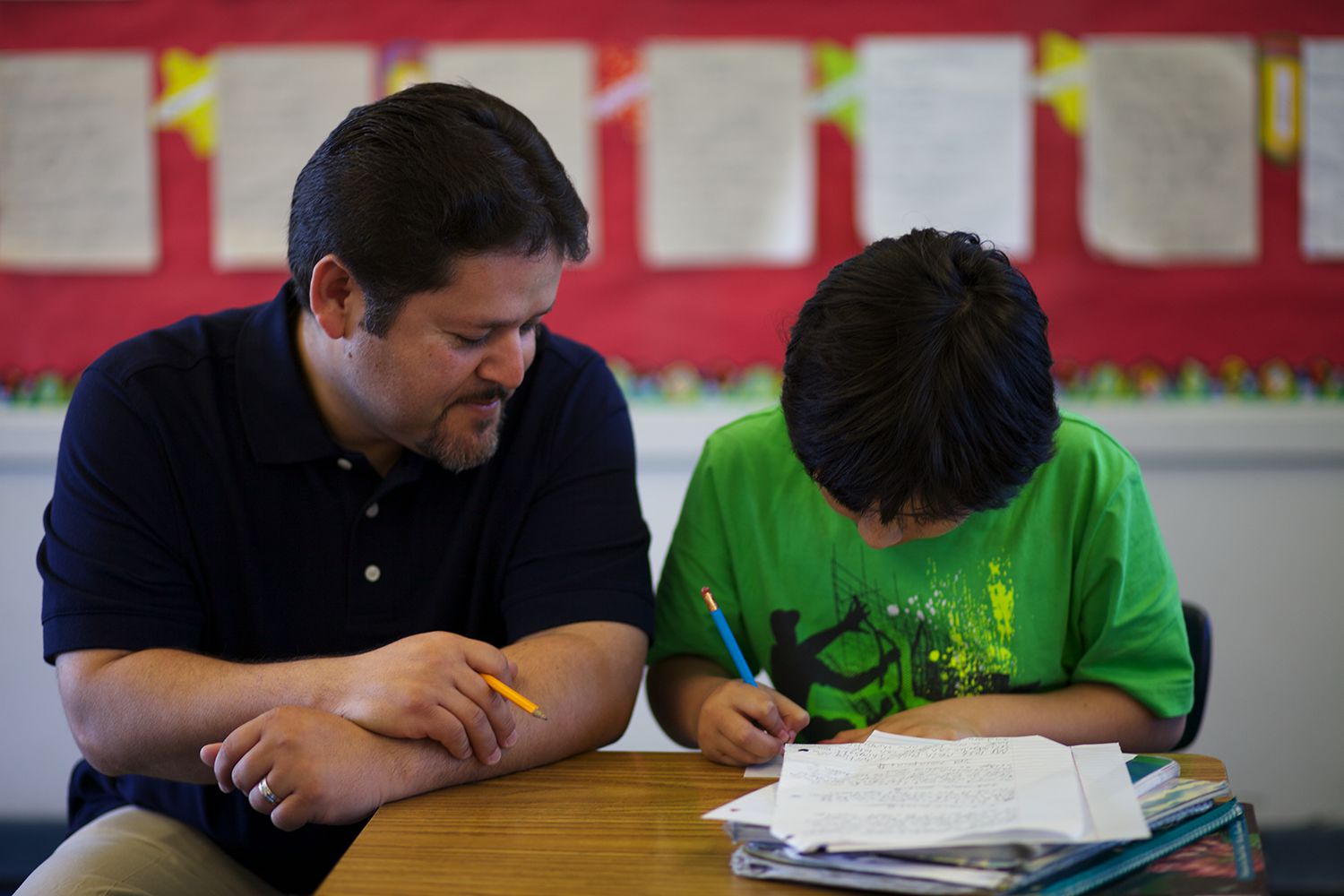 ing difficult circumstances, including for the Emmy Award-winning series Rx for Survival (PBS), where she followed a young woman dying of drug resistant TB in the slums of Lima, Peru. And, in her film, Renewal, she followed evangelical Christians protesting mountaintop removal in Kentucky.
Pacheco’s filmmaking partner, Jackie Mow, meanwhile, began her career producing news in France, chasing ambulances for TV news in New Mexico, and reporting for the BBC in Boston, before more recently exploring the psychology of adolescent girls and women in her film, A Girl’s Life. Together Pacheco and Mow have brought their passion for telling personal coming of age stories to “East of Salinas,” a film whose relevancy has magnified with the Trump administration’s recent decision regarding the fate of DACA.
East of Salinas, which screens at the BIKFF on Saturday, November 4 at 4:00pm, brings us into California’s “Steinbeck Country” to meet Jose, a bright young student who tries to remain optimistic about his future despite being the undocumented son of migrant farmworkers. Jose is helped greatly by his caring teacher Oscar, once a migrant farm kid himself.
Laura Pacheco recently spoke with us about making this film and how she and Jackie Mow have continued to follow Jose and tell his story.
How did you first become aware of Jose and decide to tell his story in a film?
I read a small article in the NYT that profiled teacher Oscar Ramos and the work he was doing with migrant families. I was really touched by the article and couldn’t stop thinking about his work. I eventually got in touch with him and flew out to CA to meet him. He put me in touch with a few families —but in the end, we decided it would be a more powerful film to focus on one family. Jose and his family were very welcoming. They felt it was important to share their world, and the struggles of migrant families with a large audience.
What has your relationship with Jose and his family been like since the film was completed?
I was just in Salinas, CA last weekend doing a screening of the film in the local cinema. We sold out! Everyone is really supportive. We are still in touch with Jose and see him at least twice a year. Recently, we filmed an update on his story (he is now in 9th grade). It aired last week, on PBS News Hour and was featured in USA Today. It’s called the DREAMER. We will always be a force in Jose’s life. He’s family to us, now!
Did you always envision following Jose over multiple years? If so, how do you plan for production of that sort?
We initially planned to follow Jose for one year only —but felt, after one year, there was still so much of his story to tell. There are a lot of stereotypes about migrant families (that parents don’t care about their kids education, that kids aren’t smart, etc.) That couldn’t be further from the truth.
Shooting over multiple years allowed us to witness the ups and downs of Jose’s life, some of his family’s struggles, and ultimately, his commitment to stay positive and study hard. It’s hard to plan for shoots like that — you have to budget your funds well! But —we were 100% committed to Jose and Oscar and their story. We just kept going back.
As a filmmaker, are you drawn to make films about particular issues or is it individuals’ stories, associated with a particular issue, that grab your attention?
The trick is always to find a compelling story that illuminates a bigger issue. I didn’t want to make a “political” film about immigration. It’s a polarizing issue with deep seated emotions and opinions. I wanted to find one story that could show how America’s immigration policy is affecting kids. We wanted people to fall in love with Jose, to root for his success, to feel compassion with his struggles—but not tell people how they should/shouldn’t feel about immigration policy. And, I think we did that.
What are your thoughts about documentary film as a form of advocacy?
I believe documentary film should absolutely be a resource and tool for education and advocacy. We all learn through sharing stories. When we see a film, our world opens up. I believe filmmakers have a responsibility to help their films reach new audiences. Community conversation is so important —regardless of the subject. Documentaries definitely play a role in furthering our community understanding and compassion.
BIKFF FIELD TRIP: “Celling Your Soul”
Late last month, as summer began to wind down and students across the nation prepared to return to classrooms, the newly perennial debate bubbled up again over the role of digital technology (smartphones in particular) in the lives of American teens. And while the discussion is not an entirely new one, its urgency seemed more pronounced as media outlets like The Atlantic pondered the question of “Have Smartphones Destroyed a Generation?,” (September 2017).
 Filmmaker, writer, professor, and FC member Joni Siani began considering that question some years ago, as she observed first-hand the love/hate relationship her college students had with their digital devices. Tired of the stale debates, couched in terms of pros and cons, Siani opted to encourage her students to share how they felt about the role of omnipresent digital technology in their lives rather than what they thought. Did the technology make them feel closer to, or more isolated from, their friends and family? Was the phenomenon of instant communication liberating or stifling? And did living their lives, nearly 24/7, in a digital ecosystem feel like a gift or a burden?
These questions formed the backbone of an insightful, revealing and collaborative effort that gave birth to a book, a documentary and now, a movement. Celling Your Soul will be shown on November 3 at the Capitol Theatre in Arlington, MA as a field trip for middle schoolers to the BIKFF!
We recently caught up with Joni Siani to talk about what’s been happening since the film’s debut in 2015 and how the film is just one element of her “No App for Life” campaign. Joni explained, “No App For Life” is about balance. “First, we’re elevating the dialogue beyond the reductive and limiting discussions of ‘technology’ being either good or bad. School officials are struggling with creating policy, procedures and protocols, and we have yet to have an honest national discourse of ‘best practices’ that includes the addictive nature, psychological implications of childhood development, social skills, and interpersonal relationships. We keep looking at the device itself, without the deeper conversation of what IT is doing TO us.”
“Celling Your Soul” has now been featured in more than 14 film festivals and continues to garner praise and spawn intense discussion whenever it is screened. Siani explained that she was not interested in making a film — or leading a campaign — around dry academic discussions about the impact of what she calls the “connection industry,” but wanted to explore — through the words of her students — the profound affect digital socialization is having on teens’ emotional landscape. In her view, cell phones are “engineered to be addictive and we can’t keep turning a blind eye to this reality. This is not only engineered addiction, it is engineered manipulation.”
Schools, community groups, civic organizations and companies are encouraged to book screenings and discussions, led by Joni, through her “No App for Life” website. Contact laura@filmmakerscollab.org if your school would like to participate in our field trip.
CALL FOR ENTRIES—for the 5th annual Boston International Kids Film Festival
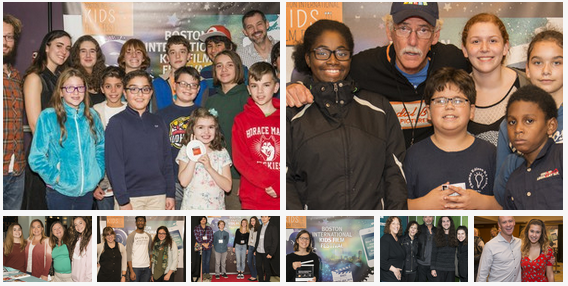
With special blocks dedicated to STUDENT FILMS (from middle school up through graduate students), and family-friendly programming throughout the four-day event, BIKFF promises to be fun for the whole family!
Awards will be distributed for Best Feature, Best Documentary, Best Student Film, Best International, Best Short, Audience Choice and the Peggy Charren Award for Excellence.
 How did you first become interested in filmmaking and what was the inspiration for the film that’s going to be shown at BIKFF 2017?